Step-by-Step Strategies to Grow Rankings and Get Backlinks for Website
Get Backlinks Online: Search Engine Optimization Guide & Advice
In the field of SEO, backlinks serve a crucial function in boosting a website's authority and visibility. Many site owners think about purchasing backlinks to obtain an advantage. However, the process demands careful evaluation to sidestep potential pitfalls. Understanding the nuances of backlink quality and the implications of purchasing them is essential. As the landscape of SEO develops, the strategies for acquiring effective backlinks also shift. What factors should one give priority to in this complex decision?
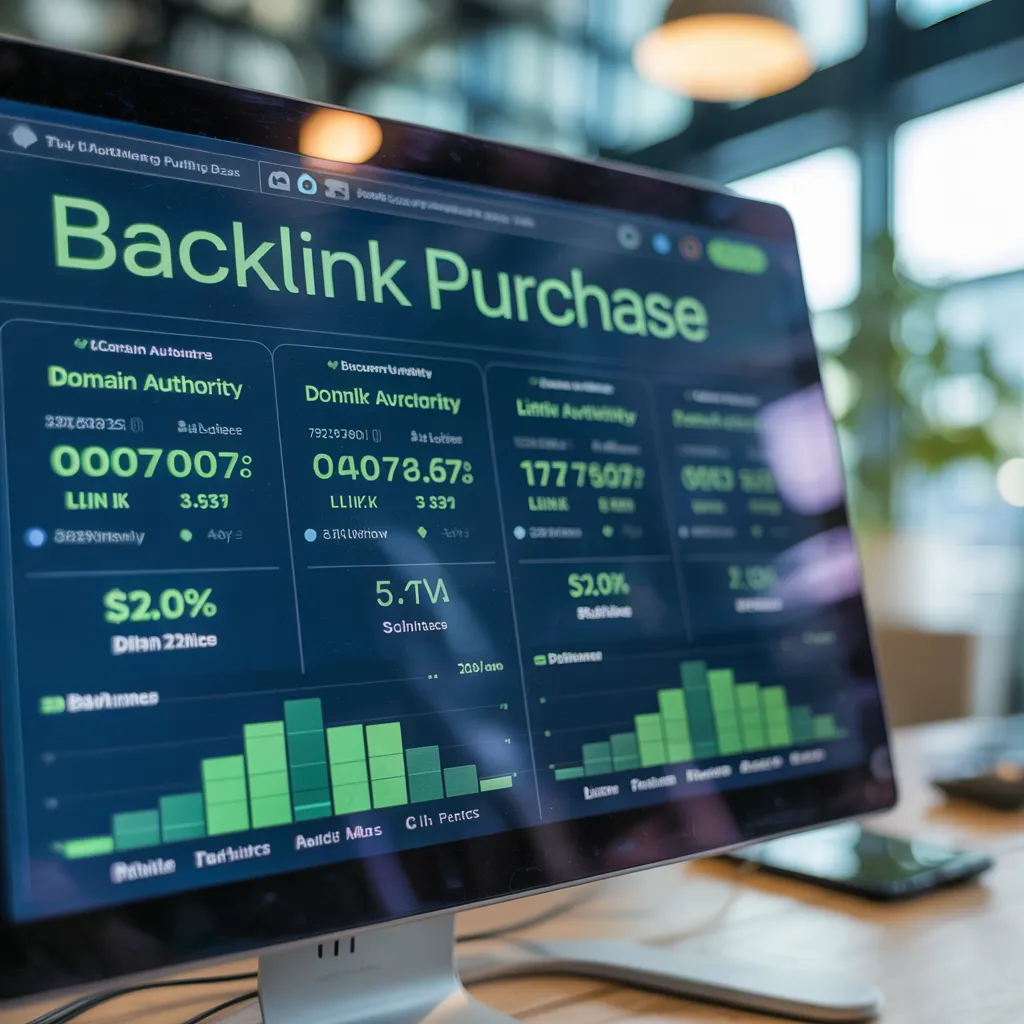
How Backlinks Impact SEO
Backlinks serve as a vital basis for effective search engine optimization (SEO). They serve as endorsements from one website to another, communicating to search engines that the linked content is worthwhile and reliable. This endorsement can substantially impact a website's ranking in search engine results pages (SERPs). The more high-quality backlinks a site acquires, the more authority it is likely to have in the eyes of search engines like Google.
Furthermore, backlinks can produce referral traffic, resulting in increased visibility and potential customer engagement. They not only boost a site's credibility but also support the overall user experience by guiding users to relevant content. Fundamentally, backlinks are not merely a indicator of popularity but an essential component of a comprehensive SEO strategy. By concentrating on the acquisition of backlinks, website owners can situate themselves beneficially in a competitive digital landscape, improving their chances of achieving higher rankings and attracting organic traffic.
Evaluating the Quality of Backlinks Ahead of Purchase
When thinking about purchasing backlinks, it is crucial to assess their quality to ensure a beneficial effect on SEO efforts. Quality backlinks are sourced from authoritative websites that are aligned with the purchaser's niche. These links should be from sites with high domain authority and a strong reputation in their corresponding fields. In addition, the context in which the backlink is placed plays a significant role; links inserted into relevant content are usually more valuable than those in footers or sidebars.
Furthermore, evaluating the backlink profile of the potential source is critical. This includes looking for any spammy links or a high number of outbound links that could diminish the link's value. Moreover, it's recommended to ensure that the backlinks are from diverse domains to create a natural link profile. By meticulously analyzing these factors, one can make informed decisions that enhance their SEO strategy and avoid potential penalties.
Advantages and Disadvantages of Purchasing Backlinks
The decision to buy backlinks presents both advantages and disadvantages that require careful consideration. On the positive side, purchasing backlinks can lead to an quick rise in website traffic; however, the focus on quality over quantity remains critical. Furthermore, there is a considerable risk of sanctions from search engines, which important resource can eliminate any temporary benefits.
Immediate Traffic Growth
Purchasing backlinks can provide an immediate increase in website traffic, attractive to businesses eager for fast results. This approach often brings about improved visibility in search engines, potentially drawing more visitors and generating leads. For companies seeking to boost their online presence quickly, the appeal of instant traffic is compelling.
Nonetheless, this approach brings substantial risks. Search engines may punish websites that engage in backlink purchasing, causing a decline in rankings or even removal from search results. Furthermore, the quality of acquired backlinks can fluctuate, potentially harming a site's credibility. Consequently, while the promise of an immediate traffic boost is tempting, it is essential for businesses to weigh the short-term gains against the long-term implications of such practices.
Quality vs. Quantity
In the world of SEO, the debate between quality and quantity in backlink acquisition is a critical consideration for businesses. Quality backlinks from trusted sources can considerably enhance a website's authority, generating improved search engine rankings and increased organic traffic. However, securing these links often requires significant effort. On the other hand, purchasing a high volume of lower-quality backlinks may provide a quick influx of links, but this strategy risks undermining the site's credibility and effectiveness. While quantity can deliver immediate visibility, it often lacks the long-term benefits associated with quality links. Ultimately, businesses must weigh the advantages of immediate gains against the enduring value of establishing a powerful online presence through high-quality backlinks.
The Risk of Penalties
Maneuvering the landscape of backlink acquisition involves inherent risks, especially concerning penalties from search engines. Acquiring backlinks can lead to serious consequences, as search engines like Google aggressively penalize manipulative practices that violate their rules. These penalties can present themselves as drops in search rankings, decreased organic traffic, or even de-indexing from search results altogether. Additionally, the risk escalates with poor-quality backlinks, which may be flagged for spammy behavior. However, some argue that high-quality backlinks can improve visibility and authority when acquired responsibly. As a result, while purchasing backlinks may offer immediate gains, the potential for enduring penalties poses a significant risk that site owners must thoroughly consider before undertaking such practices.
How to Select a Credible Backlink Company
How does one guarantee they're selecting a reputable backlink provider? Initially, it is vital to research the provider's reputation. Reviews and testimonials from previous clients can give valuable insights into their service quality. A dependable provider should be transparent about their link-building strategies and supply clear examples of past work. Furthermore, check if they stick to ethical practices, avoiding low-quality or low-quality links that could hurt a website's ranking.
Following this, assess the caliber of the websites where the backlinks will be positioned. High Domain Authority (DA) and relevance to the target niche are significant factors. A reputable provider will typically have a wide-ranging portfolio of high-quality sites.
Last but not least, think about customer support and communication. A reputable provider should be responsive and willing to addressing any questions. By implementing these guidelines, one can improve the probability of engaging with a dependable backlink provider.
Recommended Strategies for Employing Purchased Backlinks
When leveraging purchased backlinks, it is important to emphasize quality over quantity to ensure effective SEO results. Zeroing in on relevant niches can greatly improve the authority and relevance of the backlinks. By implementing these best practices, marketers can enhance their backlink strategy for enhanced performance.
Quality Above Quantity
While many website owners may be enticed to give priority to the sheer number of backlinks, prioritizing quality alternatively is crucial for sustainable SEO success. High-quality backlinks come from reputable, relevant sites that hold authority in their particular niches. These links not only enhance domain authority but also drive targeted traffic, enhancing overall engagement. When purchasing backlinks, it is crucial to analyze the linking site's credibility, applicability, and traffic metrics. Stay away from inferior or spammy platforms, as they can trigger penalties from search engines and diminish trustworthiness. By investing in quality backlinks, website owners can build a strong online presence, foster enduring relationships with valuable sources, and ultimately secure better rankings on search engine results pages.
Strategic Niche Targeting
To maximize the effectiveness of purchased backlinks, targeting relevant niches is crucial. When backlinks originate from websites within the same industry, they indicate to search engines that the linked content is authoritative and trustworthy. This relevance improves SEO rankings and increases organic traffic. Furthermore, niche-targeted backlinks often attract a more interested audience, resulting in higher conversion rates.
To execute this approach successfully, businesses should identify online properties that possess related subjects, goods, or services. Undertaking detailed investigation to analyze each website's authority and audience demographics is crucial. By emphasizing quality over quantity, digital strategists can create a strong backlink profile that enhances their internet presence while fostering credibility within their specific niche.
How to Track Backlink Impact on SEO?
What approaches help measure the impact of backlinks on SEO performance? To gauge the effectiveness of purchased backlinks, one should utilize various analytical tools such as Google Analytics and Ahrefs. These platforms let users to track referral traffic, monitor changes in organic search rankings, and assess domain authority over time.
Critical metrics to evaluate include the number of referring domains, the quality of those domains, and the overall increase in traffic. Additionally, setting up specific goals within Google Analytics can help evaluate conversions related to backlink strategies.
Evaluating keyword rankings via tools like SEMrush can deliver insights into how backlinks affect SEO visibility. Regular assessments should be conducted to correlate backlinks with SEO performance metrics, permitting data-driven decisions regarding future link-building efforts. This systematic approach confirms that the impact of backlinks on a website's SEO is properly measured and optimized.
Common Questions
Can Purchasing Backlinks Lead to Search Engine Penalties?
Buying backlinks may indeed lead to penalties from search engines. Such tactics are commonly considered manipulative, possibly causing lower rankings or even removal from search engine results, detrimentally impacting a website's visibility.
What Kinds of Websites Should I Stay Away from for Backlinks?
Platforms to bypass for backlinks contain websites featuring poor domain authority, spammy content, irrelevant niches, or overabundant advertisements. Furthermore, sites engaging in questionable practices or recognized for linking schemes should be bypassed to maintain credibility.
What Impact Do Backlinks Have on Local SEO Specifically?
Backlinks significantly improve local SEO by improving search engine rankings, strengthening domain authority, and attracting relevant traffic. High-quality local backlinks from authoritative sources foster trust, allowing businesses reach their community and engage targeted audiences with precision.
Are There Certain Sectors Where Acquiring Backlinks Is More Hazardous?
Yes, specific industries like finance, healthcare, and legal sectors face greater risks when acquiring backlinks due to strict regulations and scrutiny. In these sectors, the consequences of unethical practices can be notably severe.
How Often Do I Need to Update or Refresh My Backlinks?
It's advisable to review or refresh backlinks a minimum of every 6 months. Regular assessments help sustain relevance, strengthen search rankings, and confirm the quality of links is consistent with current website content and SEO tactics.